
Kororā

Introduction

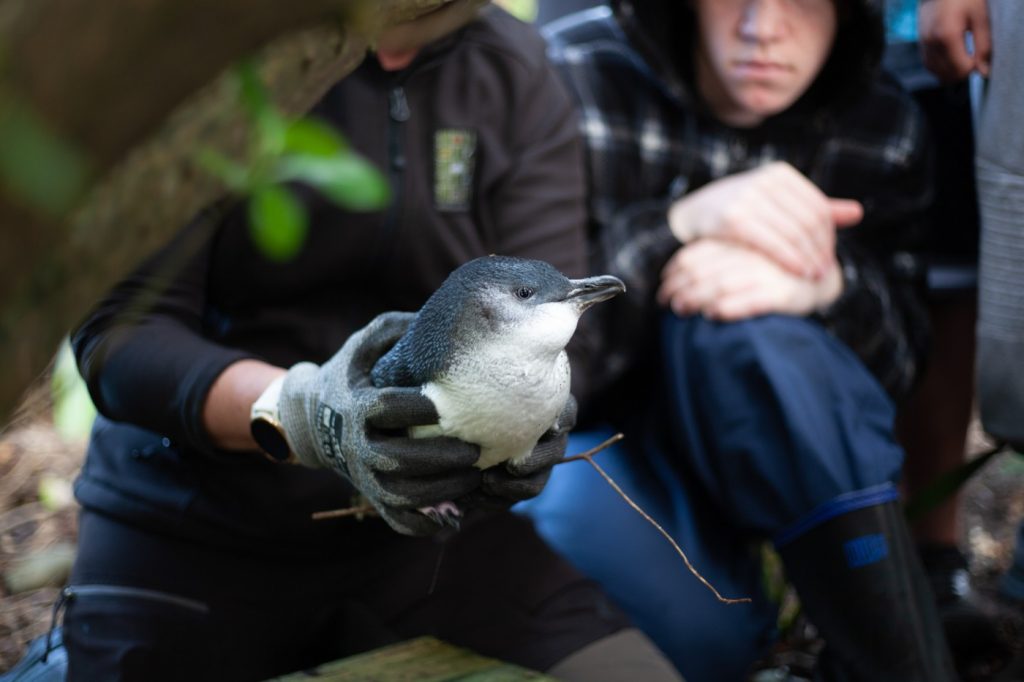
Kororā are a taonga species for Ngāti Mutunga and an important indicator of the health of our coastal environment. Found along our shores, Kororā connect our people to the moana and remind us of our responsibility as kaitiaki to protect and care for the natural world. Their presence reflects the balance between land and sea, and the ongoing relationship between iwi, environment, and future generations.

Te Rūnanga o Ngāti Mutunga is committed to safeguarding Kororā and the habitats they depend on through environmental monitoring, protection initiatives, and community awareness. This kaupapa recognises the pressures Kororā face, including habitat loss, human disturbance, and environmental change, and seeks to reduce these impacts through collective action and informed stewardship. By strengthening our understanding of Kororā and their environment, we aim to support their long-term survival while upholding our role as kaitiaki of our rohe.

Mahi Kororā

(Wai iti beach storm brewing)

Kororā (Breeding season only July – February)

  • Breeding season subject to change with more data.
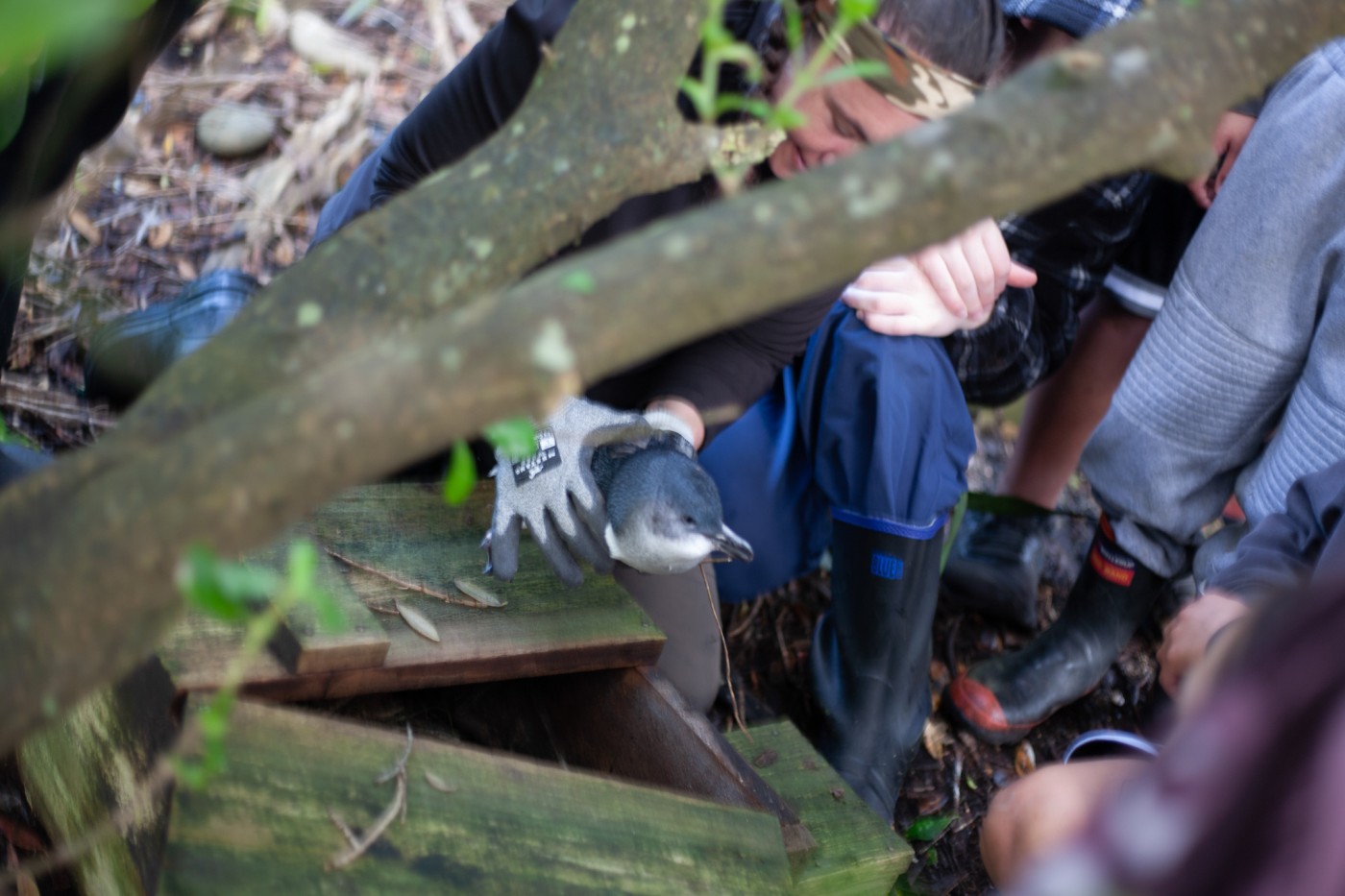
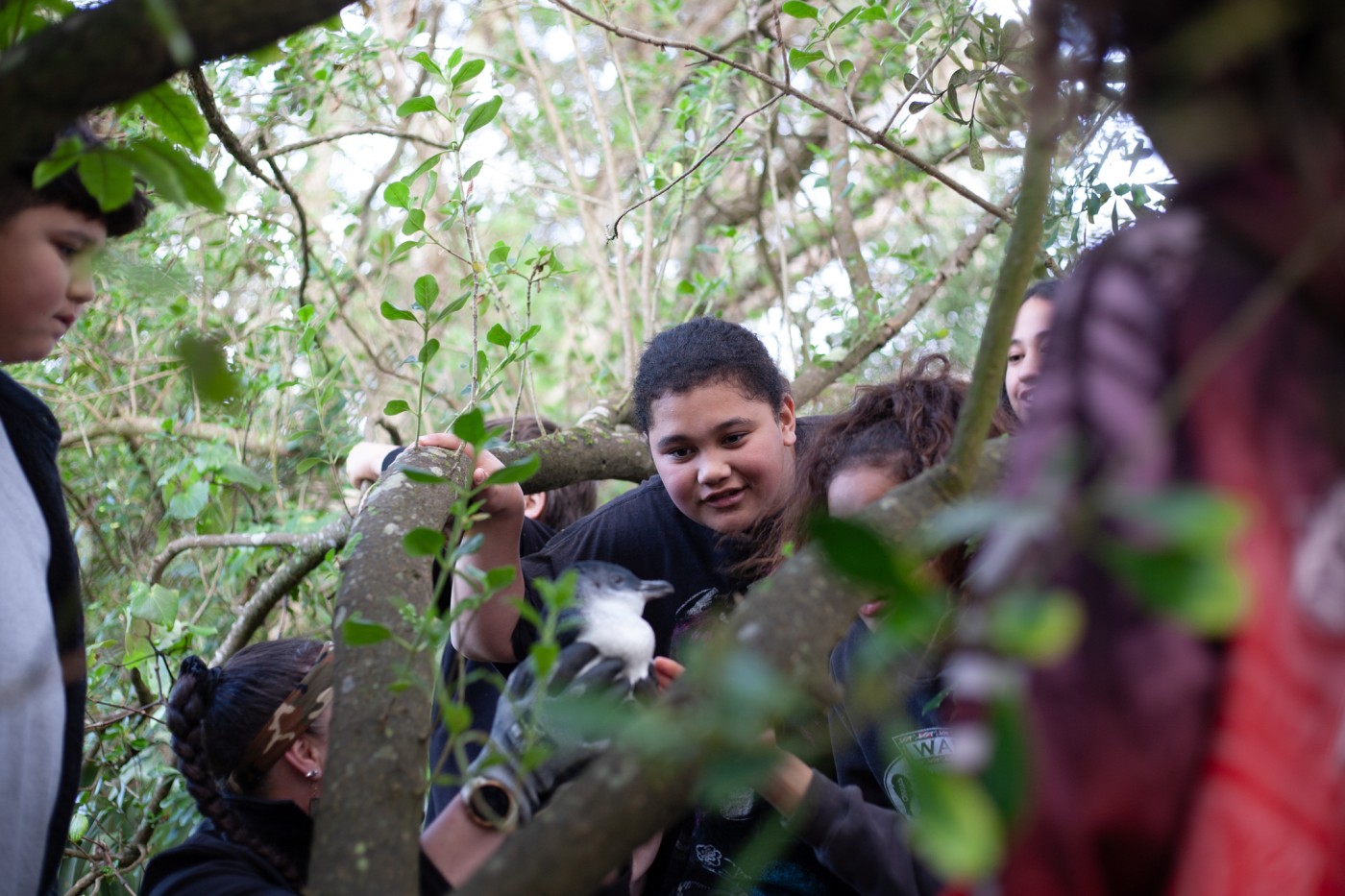
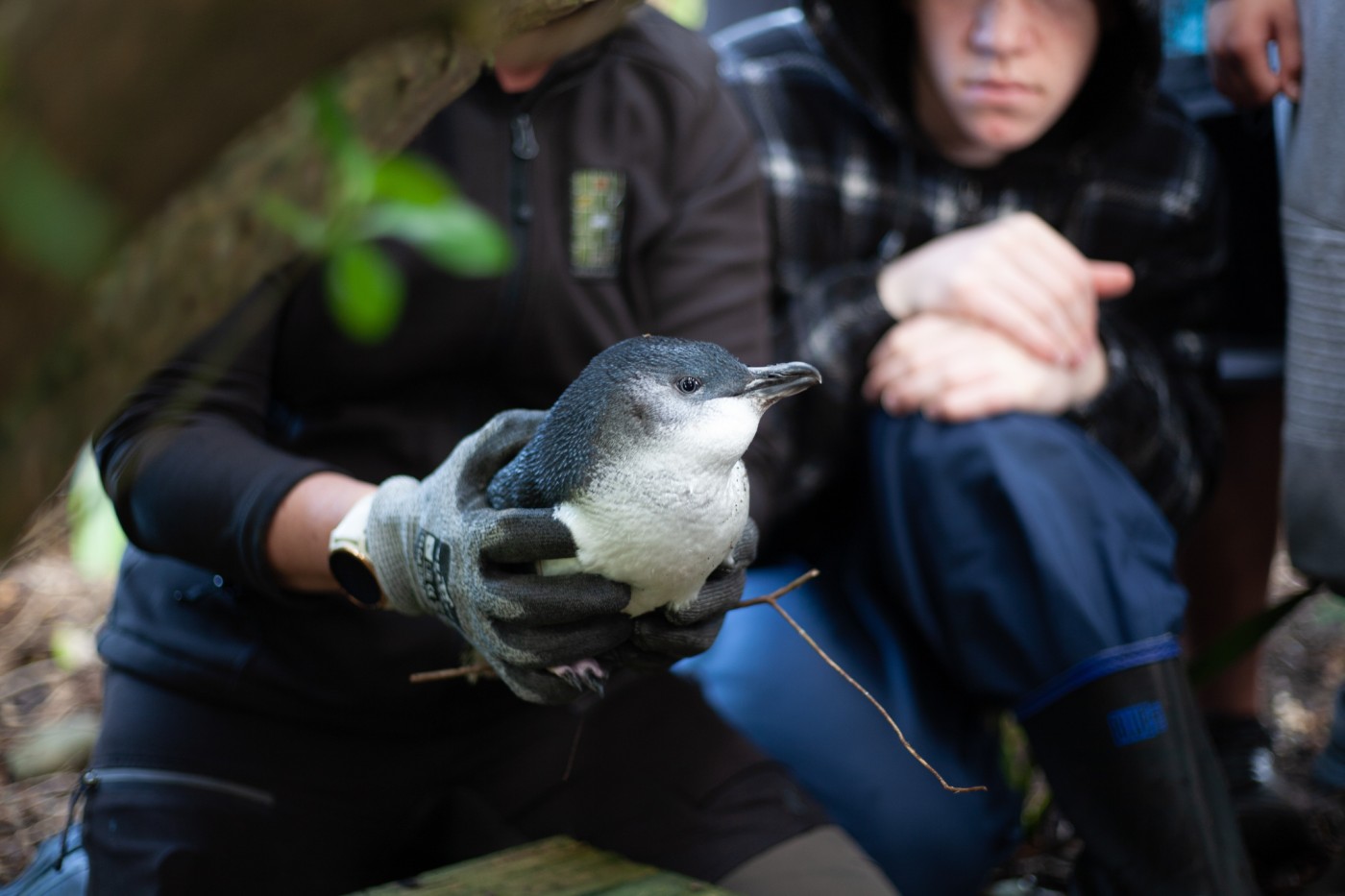
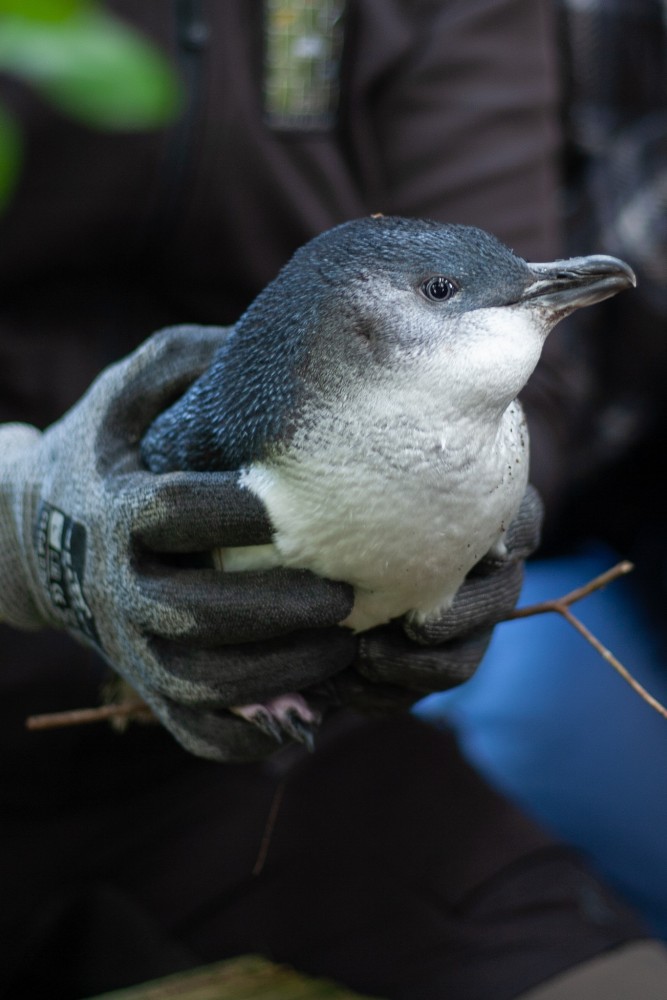
  • Build kororā information database at Urenui and Wai iti beaches.  Information gathered includes, weight, sex, condition and populations by way of night catching, footprint surveys and nest monitoring where possible.
  • Maintain relationships with Ngāmotu marine reserve society who have funded the set up of this mahi and my training and hold the DOC permit to handle kororā in North Taranaki.
  • Maramataka and tohu taiao recording with surveys.
  • Periodic presence/absence surveys at all other possible breeding sites on the Mutunga coast.
  • Gain Korora handlers level 3 trainers ticket and train one Mutunga whanau member to microchip kororā.
  • GPS tracking of 3 nesting Kororā to measure distances travelled for foraging
  • Utilisation of ArcGIS as part of this monitoring program
  • Implementation of Kororā as an indicator species for the Mauri Compass tool

Night catching

  • Scan for microchip/tag
  • measure
  • Weigh
  • Condition check
  • tag if not already
  • release

Nest Checks

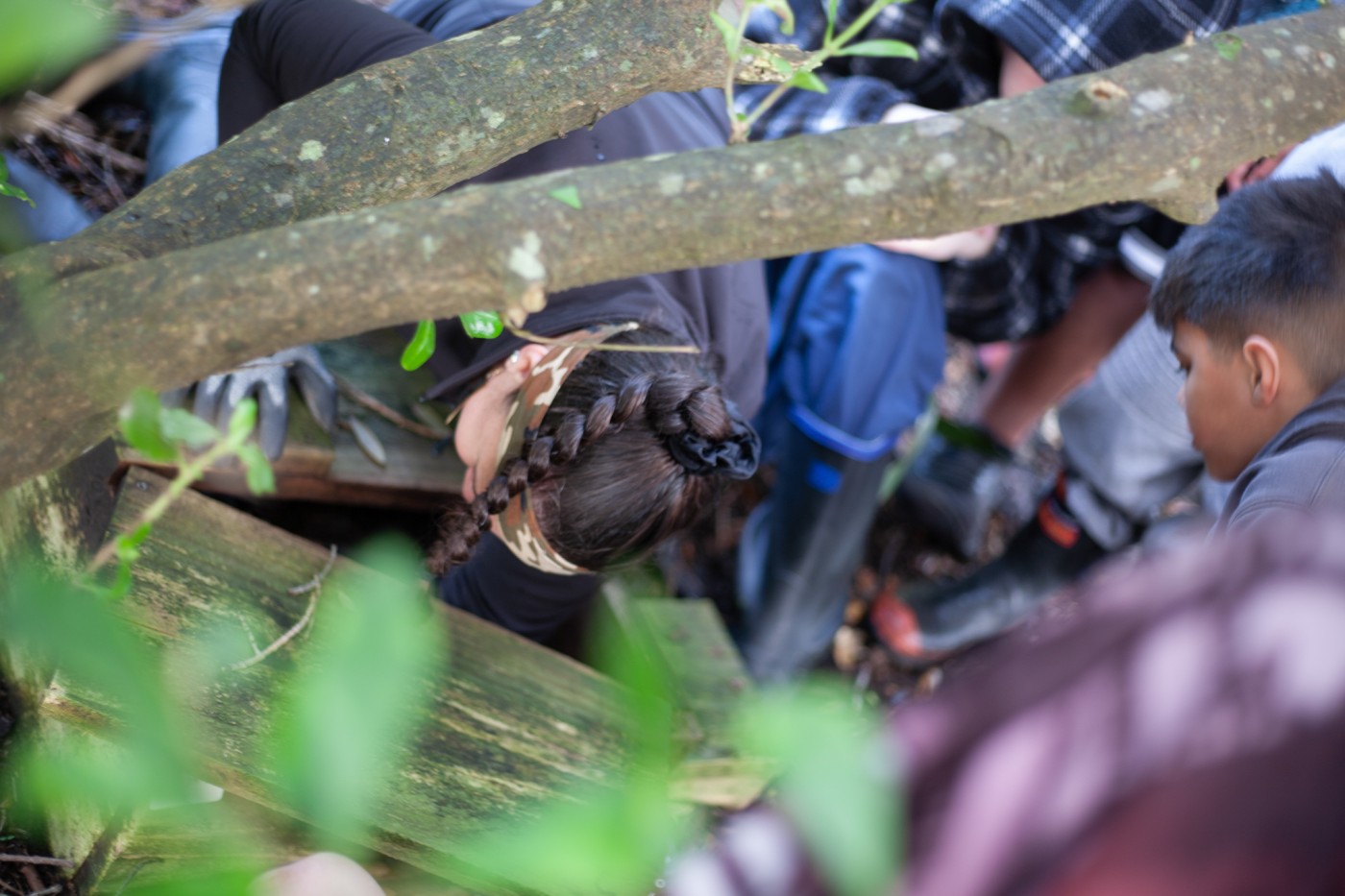
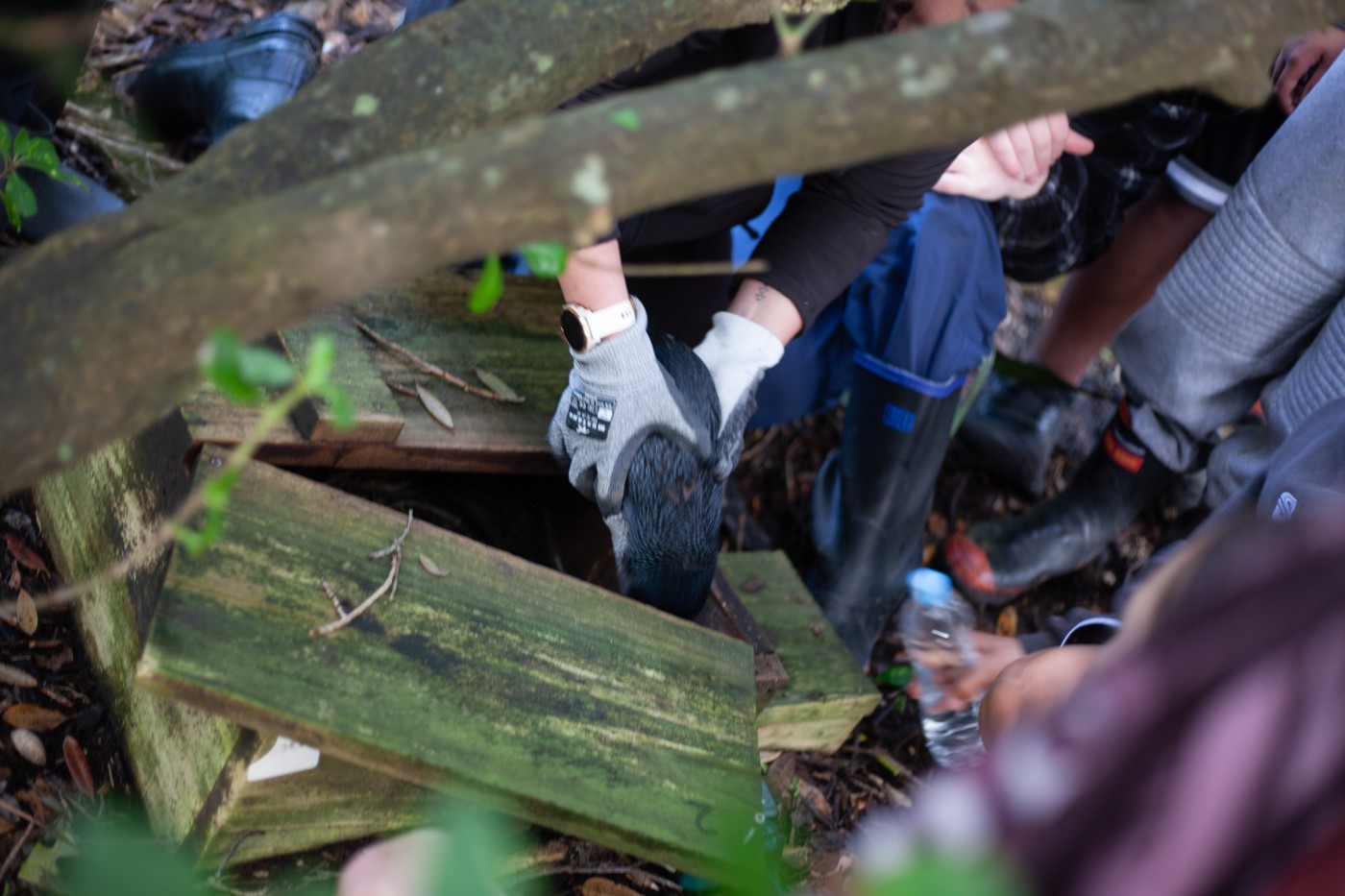
  • Check nests once a week for nesting birds and microchip chicks as they start to mature

Footprint Surveys

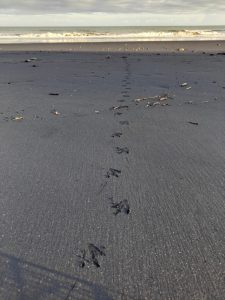
  • Early morning footprint counts when the tide permits

Nest Boxes

  • Install new boxes at Urenui or Wai iti
  • Repairs and maintenance on existing boxes

ArcGIS

  • Develop Survey123 app for data entry which will link directly back to our main server
  • Mapping of colonies

Kororā Monitoring

We have begun night cathing and tagging of kororā for the season and had a fairly successful first night.  There seems to be a lot of kororā activity at all our beaches this year but we will only be monitoring Wai iti and Urenui for now unitll we can build more capacity.  I have been in contact with Ngāmotu Marine Reserve Society (NMMRS) about gaining my training certification so I can begin to train our whanau to help with this mahi.  All our nesting boxes have been added to the main NMMRS database, audited, repaired and labelled and are ready hopefully for kororā to take up residence this season.  We can now start weekly nest checks on these boxes.  Last year not many of the wai iti boxes were used and unfortunately we cannot control this.  There is just too much habitat there for them.

Kororā

Kororā up and down Taranaki coast have already begun nesting also.  Nest box checks are undertaken weekly and we have two confirmed nests with two eggs each.  We have completed one night of catching at Urenui which went well and we have Thomas Matten coming up from next week to conduct some more mirco-chip insertion training and hopefully sign Anne-Maree off as a trainer so we can train our own whanau in this area. Thomas will also be trialling some new GPS trackers on the Ngamotu population of Kororā, so we can learn more about this technology and how it can best be used on our local kororā  You may remember that last year we had kororā foraging all the way

(Kororā footprints)

Kororā planning

We would  really like to get this project formalised and streamlined ahead of the upcoming season starting in June/July.  I have ordered more nesting boxes to be installed at Wai iti, Urenui and Onaero and have begun planning for volunteer inductions and working bees at the sites.  This year we will be incorporating the project with our mauri compass so it will need to have much more structure than in the past. 

Kororā

Kororā have begun nest buildng.  Kororā monitoring is well underway with another volunteer induction day tomorrow.  There are also plenty of Oi nesting at Paparoa currently and I will try to get up to Maruehi for a look as soon as I can.  We have put the hinaki in to try and catch some Piharau but alas were unsuccessful in the Mimitangiatua, will try at Urenui behind Okoki pā at some stage, these are places where they have been historically caught. 

Seabirds

We now have solid volunteer crews on roster carrying out weekly nest checks on Kororā at both Urenui and Wai iti.  10 new nest boxes have been installed at each site in addition to a few existing boxes already in place.  We currently have two active nests for monitoring at Urenui and one at Wai iti.  We have recently attatched GPS loggers to two kororā from Urenui to track their foraging habits over 5-7 days.  Tracking data from Ngāmotu earlier in the month show that kororā from the port are travelling to between Wai iti and Parininihi for foraging this year so we are interested to see if kororā from Urenui forage the same areas.  All kororā data and information will inform our marine mauri compass report which will be put together by Ian Ruru later this year, maybe early next year.

We are also monitoring Tīti burrows at Paparoa and Maruehi.  Paparoa have 19 natural burrows which are monitored by us with the support of TRC using an endoscope camera.   We currently have 15 active Tīti nests at Paparoa and 2 at Maruehi.  These burrows are only checked three times in a season, one at the begining of the season, one around hatch time and one just before fledging.

We are working with the wild for Taranaki seabird strategy project around providing support for our seabird projects.

(Kororā at Urenui beach)

Kororā boxes & kick-off nights

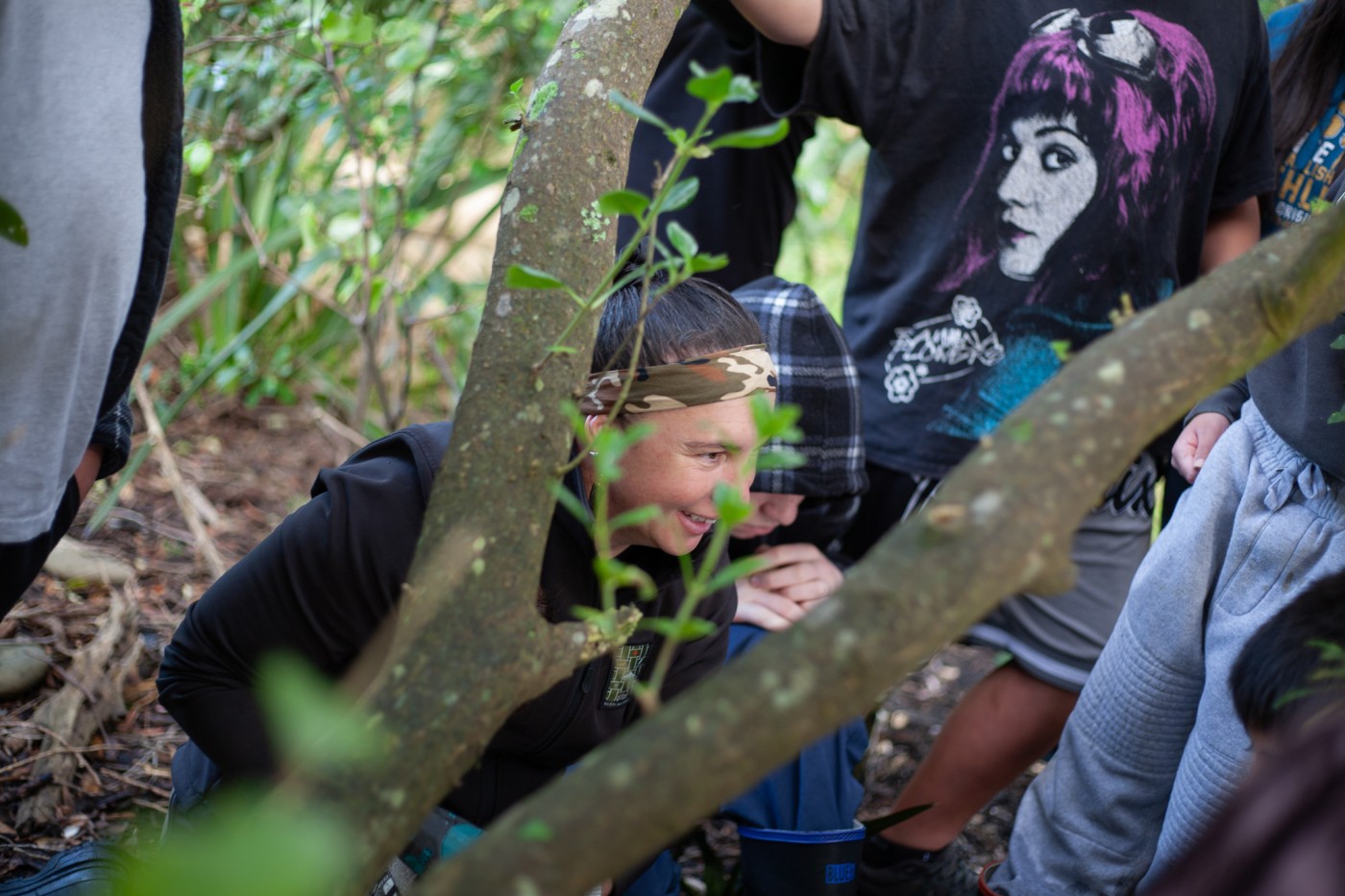
Our tireless Kororā volunteers have been checking the nest boxes weekly throughout the year even in the off-season when there is not much action.  Earlier in June we put together a volunteer dinner at both Urenui and Wai iti colonies to provide an opportunity for our volunteers to get together and regroup for the upcoming breeding season.  After dinner we went out for our first catch and tag session of the season.  We hope to hold at least a couple of catch and tag evenings each month now untill the kororā head back out to sea in March.  After many months of quiet, our Urenui colony is now starting to get busy with four boxes occupied with pairs at the last check.  Most excitingly, they are now using the newer boxes, which were left empty for the whole season last year.  This could be the return of young pairs breeding for the first time as kororā tend to use their same burrow each year.  Our Ngāmotu colony has already recorded their first egg of the season.

(Kororā pair at Wai iti beach)

In other Kororā news, Kōmaru the kororā which was nursed briefly by Gina was successfully rehibilitated and released at Urenui where he was found.  Members of our whānau, volunteer kororā rōpū, local community, NP Vet group and DOC where all in attendance. 

(Releasing Kōmaru at Urenui beach)

Kororā

Our kororā are busy raising chicks at the moment which has given us an opportunity to fit GPS trackers to two kororā to monitor fishing patterns.  We have successfully retrieved one of these but unfortunately are undertaking night vigils at Urenui beach to try an retrieve the second one as the kororā is fishing 24/7 coming to shore only 10 minutes at a time to feed chicks.  We will look at refitting these at the next available opportunity.

(Kororā fishing patterns 29th September 2005 – 7th October 2025)

(Photo of GPS tracker taped to the back of a kororā)

Kororā Mahi 2022

Kororā Mahi 2023

Kororā Mahi 2024

Kororā Mahi 2025

Kororā Mahi 2026

Kororā Mahi 2027

Photos

latest News

Kororā

Kororā

Kororā nesting season is well under way with two sets of chicks from our monitored nest boxes at Urenui fully fledged and another set incubating
Read More »
Kororā

School Holiday Programme

A huge thank you to everyone who joined us for an exciting School Holiday Programme on our whenua! The school holiday programme kicked off our
Read More »
Piharau Wānanga
Kororā

Taiao Update

Paparoa Site As part of our program to protect the Pohutukawa population at Paparoa, we have been working with the landowners along the coast and

Read More »

Register With Us

Te Rūnanga o Ngāti Mutunga accepts registrations from Ngāti Mutunga descendants world wide.

Send Us a Message

Kia ora! If you have any questions, feedback or need help please get in touch.